
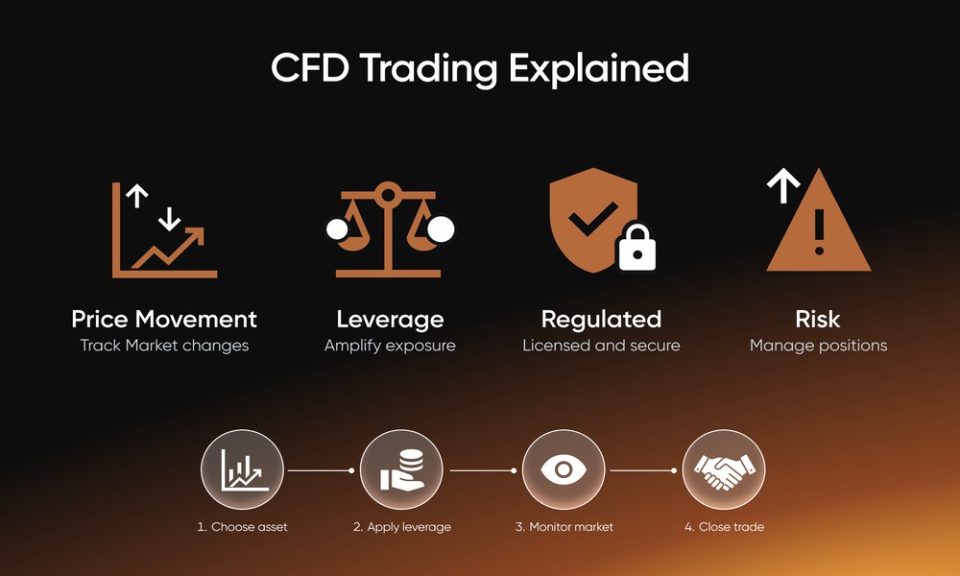
For many beginners, equity CFD trading looks exciting from the outside but intimidating once they begin exploring how financial markets actually work. Fast-moving price charts, constant market news, and leveraged positions can create pressure for inexperienced traders who are still learning how to manage risk. Without proper preparation, emotional decisions and avoidable mistakes can quickly damage both confidence and capital.
This is why risk-free market simulation has become an important part of modern trading education. Instead of entering live markets immediately, beginners can use simulated platforms to understand trading mechanics, test strategies, and build confidence in real-time market conditions without financial exposure. Financial educators and experienced traders often recommend this approach because it allows users to learn through experience rather than theory alone.
Why Market Simulation Creates Better Learning Opportunities
Equity CFDs allow traders to speculate on stock price movements without directly owning the underlying shares. While this flexibility appeals to many investors, CFDs also involve leverage, which increases both potential rewards and potential losses. For beginners, understanding how leverage affects trades is essential before risking actual money.
Simulated trading environments create a safe space where traders can explore market behaviour without the pressure of financial consequences. Instead of worrying about losses, users can focus on understanding charts, practising entries and exits, and learning how different market conditions affect their decisions. This hands-on learning process helps transform theoretical knowledge into practical experience.
Another advantage of simulation trading is exposure to real market volatility. Economic reports, earnings releases, interest rate decisions, and geopolitical developments can all influence stock prices within minutes. Watching these reactions unfold in real time helps traders understand how quickly sentiment changes and why preparation matters in active markets.
Developing Technical Skills Through Practice
Learning technical analysis takes time and repetition. Many beginners assume they can become profitable simply by studying indicators or watching tutorials, but successful trading usually requires practical experience and ongoing refinement. Simulated trading accounts allow users to practice consistently while improving their understanding of market behaviour.
Using a stock demo account helps traders become familiar with essential trading tools before entering live positions. Users can practice setting stop-loss orders, monitoring leverage, analysing trends, and adjusting strategies under changing conditions. This process builds familiarity with the trading platform while encouraging more disciplined decision-making.
Simulation accounts also support strategy testing. Traders can experiment with different approaches, compare results, and review mistakes without financial pressure. Over time, this creates a stronger understanding of which methods work best under certain market conditions. Many experienced market participants view this testing phase as a critical part of long-term development.
Understanding the Emotional Side of Trading
Technical knowledge alone does not guarantee trading success. Emotional control often separates disciplined traders from impulsive ones. Fear, greed, impatience, and overconfidence can influence decision-making even when traders understand the market correctly.
Risk-free simulation introduces traders to these emotional patterns in a more controlled environment. Although virtual trading does not create the exact pressure of real financial risk, it still helps users recognise habits such as chasing trades, exiting positions too early, or ignoring trading plans during volatile periods. Becoming aware of these behaviours early can improve long-term discipline.
Financial professionals and trading psychologists frequently emphasise the importance of emotional consistency in active markets. During periods of uncertainty, many traders react emotionally to headlines or sudden price movements. Simulation trading allows beginners to observe these situations calmly while practising structured decision-making without financial consequences.
Building a Strong Foundation in Risk Management
Risk management remains one of the most important principles in CFD trading. Successful traders understand that protecting capital is often more important than pursuing large short-term gains. Without proper risk control, even a few poorly managed trades can lead to significant losses.
Simulation accounts help beginners understand concepts such as position sizing, leverage exposure, and stop-loss placement before transitioning to live markets. Traders can observe how different levels of risk affect overall account performance and learn why consistency matters more than aggressive trading behaviour.
Another valuable lesson from simulation trading is understanding market adaptability. A strategy that performs well during trending conditions may struggle in volatile or range-bound markets. By practising across different market environments, traders develop a more balanced understanding of how to adjust their approach instead of relying on a single method in every situation.
This learning process encourages patience and discipline, which are widely considered essential traits for long-term market participation. Rather than focusing only on profits, simulation trading helps beginners prioritise preparation, consistency, and smarter decision-making.
Conclusion
Learning equity CFD trading requires more than watching price charts or following market commentary. Traders need practical experience, emotional discipline, and a clear understanding of risk management before entering live financial markets. Risk-free market simulation provides an effective environment for building these skills without the pressure of immediate financial loss.
By practising in realistic market conditions, beginners can improve technical knowledge, test strategies, and develop greater confidence over time. Simulation accounts also encourage more responsible trading habits by helping users understand how emotions and risk exposure influence decision-making.
