
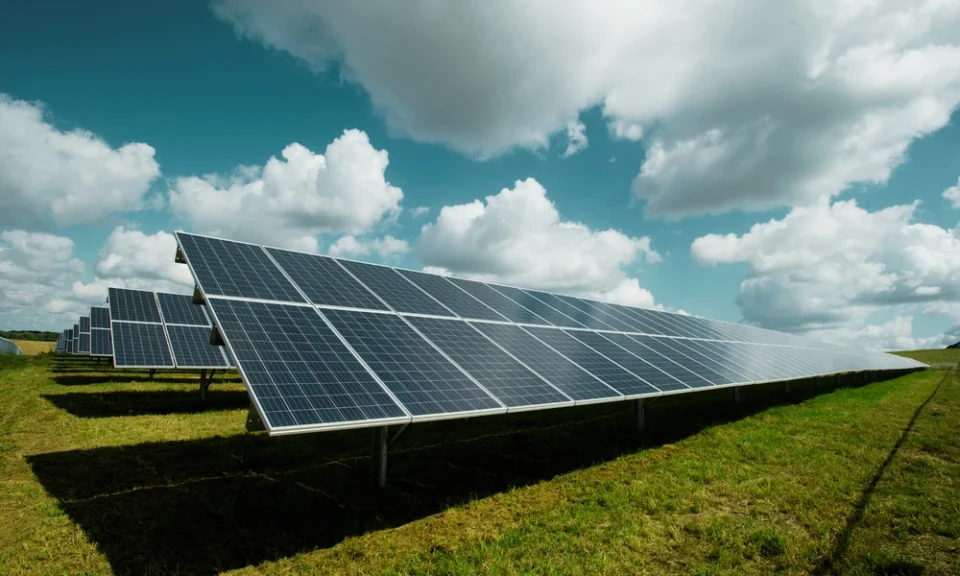
The transition from grid electricity to solar power for a home or small business involves two parallel decisions: selecting the right solar system and selecting the right financing. The growth of dedicated solar loan providers in India, combined with the PM-Surya Ghar scheme’s subsidised financing for residential customers, has made solar financing more accessible than at any previous point in the industry’s development. Understanding what rooftop solar solutions are available, how solar loan providers differ from general-purpose personal loan lenders, and what to look for in a solar loan for home helps customers navigate the financing decision with confidence.
What are rooftop solar solutions and what do they include?
Rooftop solar solutions for residential and small commercial customers typically encompass the complete package of hardware, installation, and financial services that a customer needs to transition from grid electricity to solar power:
- Grid-connected solar system: a solar panel array, a grid-tied inverter that converts the DC output of the panels to AC for use in the home or business, a mounting structure suited to the roof type, and the electrical protection and metering equipment required for the grid connection
- Net metering: the bi-directional electricity meter and the DISCOM registration that allow the solar system’s excess generation to be exported to the grid and credited against the electricity bill, ensuring that no solar generation is financially wasted
- PM-Surya Ghar subsidy application: assistance with the application for the central government subsidy that reduces the gross system cost for eligible residential customers
- Solar financing: the loan product that finances the net system cost after subsidy, structured as a solar loan for home with EMI, tenure, and interest rate suited to the customer’s repayment capacity and the solar investment’s financial return
How do solar loan providers differ from general personal loan lenders?
Specialist solar loan providers design products specifically for the solar installation use case in ways that general personal loan products typically do not:
- Longer loan tenures: solar installations have a productive life of 25 years, and the investment’s financial return is spread across this period. Solar loan providers offer tenures of up to ten or fifteen years, which reduces the monthly EMI to a level that the electricity bill saving can comfortably exceed from the first month of operation. General personal loan products rarely offer tenures beyond five years, which can make the monthly EMI higher than the monthly saving for all but the smallest systems
- Collateral-free options: the PM-Surya Ghar scheme and some NBFC solar loan products offer collateral-free financing for smaller residential systems, which is important for homeowners who do not want to pledge property as security for a solar investment
- Subsidy integration: specialist solar loan products are designed to work with the PM-Surya Ghar subsidy, accounting for the timing of the subsidy disbursement and the net loan amount that results after the subsidy is applied
- Performance guarantee alignment: some solar loan providers structure the loan disbursement in conjunction with the installation completion confirmation, ensuring that the loan is disbursed only after the system is installed and ready for operation
What should homeowners consider when evaluating a solar loan for home?
The selection of the right solar loan for home requires evaluating the loan’s total cost, not just the interest rate:
- Processing fee and other charges: the upfront cost of the loan application, which reduces the effective amount available for the solar installation and increases the total cost of the financing
- Prepayment terms: the ability to prepay the solar loan without significant penalty is valuable if the household’s financial situation improves during the loan tenure and early repayment becomes possible
- Insurance requirements: some solar loan products require the customer to insure the solar installation, which is a reasonable protection for the lender’s asset security but an additional cost for the customer to factor into the total investment analysis
- Disbursement timeline: the speed of loan disbursement relative to the installation schedule affects the timing of the installation and the start of the electricity bill savings
What rooftop solar solutions are best suited to residential customers?
For residential customers considering rooftop solar solutions, the most appropriate system size is determined by the household’s electricity consumption, the available roof area, and the applicable PM-Surya Ghar subsidy bracket. The 1 to 3 kW range attracts the maximum central government subsidy and suits the majority of urban and peri-urban residential customers whose monthly electricity bill is between Rs. 1,500 and Rs. 5,000. Systems above 3 kW attract a reduced per-kW subsidy rate but are appropriate for larger homes with higher consumption.
__________________________________________________________________
