
Expanding into Norway offers international businesses access to one of Europe’s most stable and innovation-driven economies. Instead of forming a new company, many choose to establish a branch office, allowing them to operate under their parent company while gaining a local presence. With careful planning and regulatory compliance, the setup process can be efficient and rewarding.
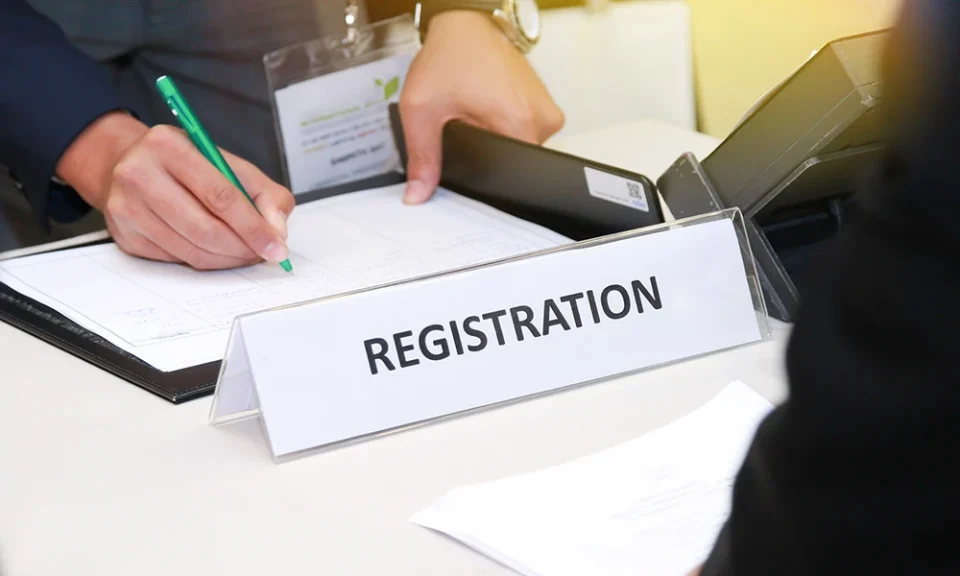
One of the first priorities is understanding the requirements of business register Norway compliances. Every branch must be registered with the appropriate authorities before it can legally operate. The registration process typically involves submitting details about the parent company, appointing an authorized representative, providing a registered business address, and ensuring all documentation meets Norwegian legal standards. Taking the time to complete these steps correctly helps prevent delays and allows your business to begin operations with confidence.
When expanding into Norway, having knowledgeable local professionals by your side makes the process far more efficient. Arctic Accounting & Advisory supports international businesses with company formation, branch office registration, accounting, tax compliance, payroll, and ongoing financial advisory services. Their experienced team understands both Norwegian regulations and the practical challenges foreign companies face, helping clients establish their operations smoothly while remaining fully compliant with local laws.
Why Choose a Branch Office?
A branch office offers several advantages for foreign businesses that want to enter the Norwegian market without creating a separate legal entity.
Some of the key benefits include:
- Faster market entry compared to establishing a new company
- Stronger brand recognition by operating under the parent company’s name
- Simplified management and reporting structure
- Access to Norway’s stable and business-friendly economy
- Greater flexibility when testing a new market
While a branch office is not an independent legal entity, it must still comply with Norwegian regulations relating to taxation, accounting, employment, and financial reporting.

Steps to Register a Branch Office
Although the requirements may vary depending on the nature of your business, the registration process generally includes the following:
- Gather incorporation documents from the parent company.
- Prepare certified translations if required.
- Appoint a Norwegian representative or branch manager.
- Register the branch with the relevant Norwegian authorities.
- Obtain any industry-specific permits or licenses.
- Register for VAT if your business activities meet the applicable threshold.
- Set up accounting and reporting systems that comply with Norwegian regulations.
Paying close attention to these requirements from the beginning can save considerable time and reduce administrative complications later.
Avoid Common Registration Mistakes
Many businesses experience unnecessary delays because of incomplete documentation or misunderstanding local compliance rules. Common issues include submitting outdated corporate documents, overlooking tax registration obligations, or failing to appoint an authorized local representative.
Any experienced local advisors can significantly reduce these risks. They can guide you through regulatory requirements, communicate with Norwegian authorities, and ensure every document is submitted accurately.
Final Thoughts
Establishing a branch office in Norway offers international businesses a practical route into a stable and competitive market. By meeting registration requirements, maintaining regulatory compliance, and partnering with experienced professionals, companies can streamline the setup process, minimize risks, and build a strong foundation for sustainable growth in Norway.
